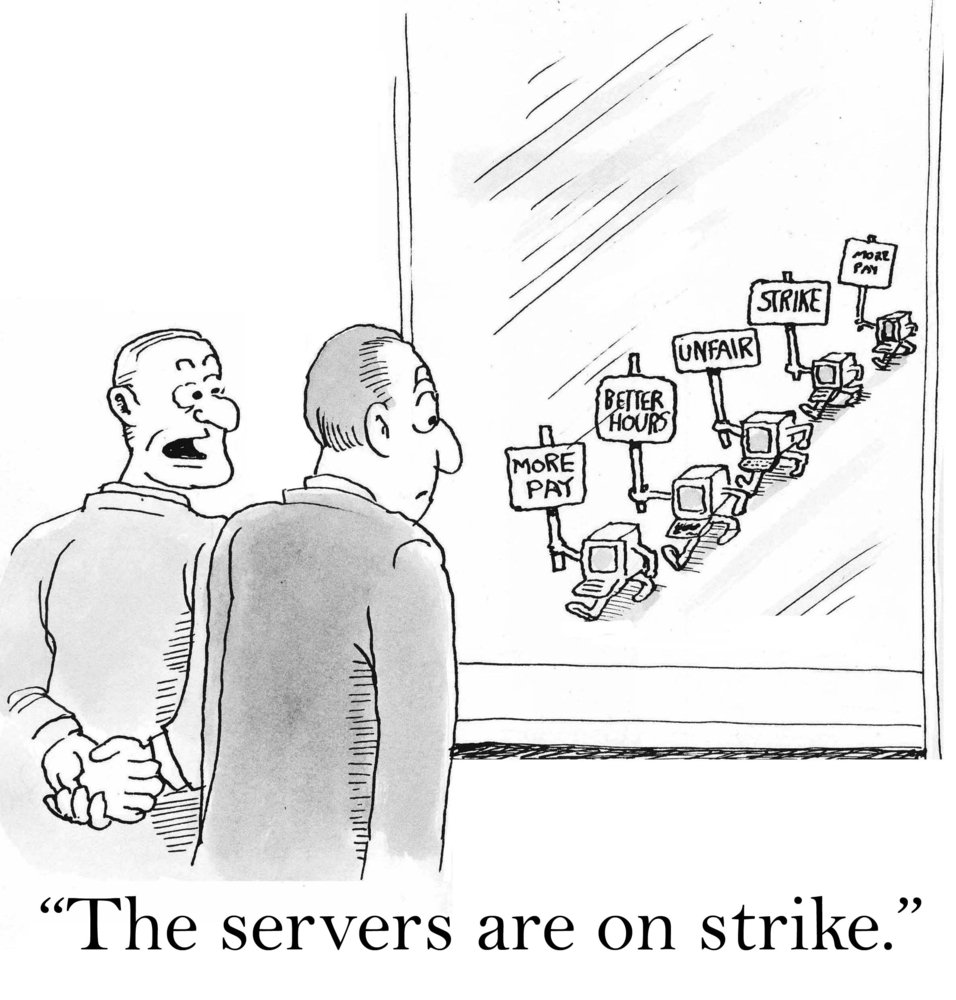
“Slow is the new down” is the catchphrase that seems to be gaining momentum in this era of cloud ubiquity. Since it’s extremely rare for a cloud service to go down completely, […]

“Slow is the new down” is the catchphrase that seems to be gaining momentum in this era of cloud ubiquity. Since it’s extremely rare for a cloud service to go down completely, […]

Companies are looking to their IT departments lead for digital transformation initiatives that can reduce operational costs, drive efficiencies, and ultimately, fuel innovation strategies that can help them keep pace with new […]

Gartner anticipates that many leading enterprises will migrate entirely away from their on-premises data centers with the current trend of moving workloads to colocation, hosting and the cloud. With this evolution, I&O […]

The data center is not dead. However, the data center has indeed changed. Over the course of my career, I’ve kept my head in the cloud; a lot. However, I’ve also kept […]

Traditionally, the data center was where all your data existed as a business. This centralized set of data could then be copied and held separately for business continuity, disaster recovery and archival. […]

Data lakes are centralized storage and data repositories that allow you to work with a variety of different types of data. In the age of Big Data, we’ve had to come up […]

Technology expectations of businesses and employees are growing and changing every day. But the underlying network which enables us to use this tech properly, can’t always keep up. Instead of being the […]

Most industries and companies have used cloud services long enough to understand the value they bring — allowing multiple users to access a single database of business-critical information. However, installers and contractors […]

Here are three ways CSPs and enterprises can build a pathway to full-on cloud-delivered, more flexible and ultimately less expensive RTC communications and collaboration platforms. Read the source article at RCRWireless News

As the name suggests, multi-cloud refers to the use of multiple cloud vendors and providers within a business architecture – across a mix of public and private platforms – thereby enabling organizations […]